10 Costly Errors First-Time Landlords Make — and How to Sidestep Every One of Them
Why First-Time Landlords Are Particularly Vulnerable
The appeal of residential rental investment is well-documented: recurring income, long-term appreciation, and tangible asset ownership make rental properties one of the most accessible wealth-building vehicles available to American investors. What the promotional narrative often omits, however, is that rental property ownership is an active business — one that demands financial discipline, legal awareness, and operational competence that most first-time buyers simply have not had the opportunity to develop.
The errors outlined below are not hypothetical. They represent the most common and most expensive mistakes observed among new landlords entering the US residential rental market, drawn from industry research, investor forums, and the firsthand experience of property management professionals. Each one is entirely preventable with the right preparation and the right partners.
1. Underestimating True Operating Expenses
The single most common financial miscalculation among first-time landlords is treating mortgage, taxes, and insurance as the complete picture of property expenses. In reality, operating costs include maintenance and repairs (typically budgeted at 1 to 2 percent of property value annually), property management fees, vacancy allowances, capital expenditure reserves, landscaping, utilities in common areas, and periodic professional services such as legal or accounting support.
The fix: Before purchasing any rental property, build a comprehensive pro forma that accounts for all anticipated costs — including a conservative vacancy assumption of at least 8 to 10 percent annually — and stress-test the numbers against scenarios where maintenance costs spike or a unit sits vacant for two months.
2. Skipping Professional Tenant Screening
Selecting a tenant based on a gut feeling, a friendly first impression, or the desire to fill a vacancy quickly is a mistake that can result in months of non-payment, property damage, and a costly eviction process. The average eviction in the United States costs a landlord between $3,500 and $10,000 when legal fees, lost rent, and property rehabilitation are totaled.
The fix: Implement a consistent, written screening process that includes credit history review, income verification (targeting gross income of at least three times monthly rent), rental history checks, and background screening. Apply the same criteria to every applicant to ensure compliance with the Fair Housing Act.
3. Neglecting Landlord-Tenant Law at the State and Local Level
US landlord-tenant law is governed primarily at the state level, with additional regulations frequently imposed by municipalities and counties. Security deposit limits, required lease disclosures, habitability standards, eviction notice requirements, and lead paint disclosure rules vary significantly across jurisdictions. Violating these regulations — even inadvertently — can expose a landlord to significant legal liability.
The fix: Before executing your first lease, consult with a local real estate attorney or engage a professional property management firm that maintains current knowledge of applicable regulations in your specific market. Allegiance Property Solutions ensures full regulatory compliance across every property we manage.
4. Using a Generic or Outdated Lease Agreement
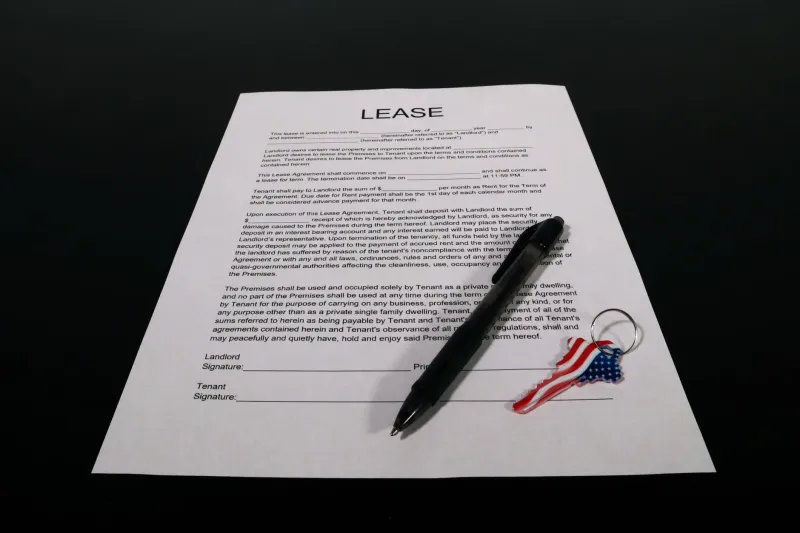
A lease agreement downloaded from a generic legal website may not reflect the specific disclosure requirements or enforceable terms applicable in your state. An unenforceable lease clause can undermine your ability to collect fees, enforce property rules, or pursue legal remedies if a tenancy goes sideways.
The fix: Use a lease template reviewed and approved by a licensed attorney in your state, or have your property management company provide a professionally drafted agreement that meets current legal standards.
5. Purchasing the Wrong Property for Rental Purposes
Not every property that looks attractive as a personal residence makes a sound rental investment. First-time landlords frequently overpay for aesthetic appeal while overlooking factors that drive rental performance: proximity to employment centers, school district ratings, walkability, parking availability, and competitive rental rates in the immediate submarket.
The fix: Conduct thorough comparative market analysis before purchasing. Evaluate the property through the lens of a prospective tenant, not a homeowner. Analyze current rental rates for comparable units within a half-mile radius and calculate your projected gross rent multiplier and cap rate before making an offer.
6. Failing to Carry Adequate Insurance Coverage
Standard homeowner's insurance policies do not cover rental properties. A landlord who rents a property under a homeowner's policy may find that claims related to tenant-caused damage, liability incidents, or loss of rental income are denied. This is a financially catastrophic discovery to make after a loss event.
The fix: Purchase a dedicated landlord insurance policy — also called a dwelling fire policy — that includes property damage coverage, liability protection, and loss of rental income coverage. Consult an independent insurance agent familiar with investment property to ensure your coverage is appropriately structured.
7. Deferring Maintenance to Preserve Short-Term Cash Flow
It is tempting, particularly in the early months of ownership when cash flow may be tighter than anticipated, to delay non-urgent maintenance requests. This approach consistently backfires. Minor issues that go unaddressed — a small roof leak, a deteriorating HVAC filter, a slow drain — invariably become major repair expenses over time.
The fix: Respond to maintenance requests promptly and establish a capital expenditure reserve from the outset. Properties that are well-maintained also experience higher tenant satisfaction and lower turnover rates, which directly supports long-term profitability.
8. Mishandling Security Deposits
Security deposit mismanagement is one of the leading sources of legal disputes between landlords and tenants in the United States. Common errors include failing to place deposits in a dedicated escrow account (required in many states), missing statutory deadlines for returning deposits after move-out, and providing inadequate itemization of deductions.
The fix: Familiarize yourself with your state's specific security deposit statutes before accepting any funds. Document the property's condition thoroughly at move-in and move-out with dated photographs, and return deposits with itemized accounting within the legally required timeframe.
9. Self-Managing Without the Capacity to Do So Effectively
Many first-time landlords assume that self-management will maximize their returns by eliminating management fees. What they frequently discover is that the time demands of tenant communication, maintenance coordination, lease administration, and regulatory compliance are substantial — and that errors made due to inexperience or inattention cost far more than the fees they were trying to avoid.
The fix: Honestly assess your available time, local market knowledge, and operational capabilities before committing to self-management. For investors who are new to the market or managing properties remotely, professional property management often delivers a positive net return even after fees are accounted for.
10. Treating Rental Property as a Passive Investment from Day One
Rental property ownership is not passive in the early stages. It requires active attention to market conditions, tenant relationships, property performance, and financial reporting. Landlords who adopt a hands-off posture before they have built the systems and partnerships to support it frequently find themselves reacting to crises rather than managing proactively.
The fix: Invest time in the first year of ownership in building your knowledge base, establishing vendor relationships, and developing operational processes — or partner with a management firm that brings those resources to the table immediately.
The Right Partnership Changes the Equation
First-time landlords who avoid these ten mistakes do not do so by accident. They do so by preparing rigorously, seeking qualified guidance, and partnering with professionals who have navigated these challenges many times before.
At Allegiance Property Solutions, we work with residential investors at every stage of the ownership journey — from pre-purchase market analysis through ongoing portfolio management. Our goal is to help you build a rental investment that performs reliably, appreciates steadily, and avoids the costly detours that derail too many first-time landlords. If you are preparing to purchase your first rental property or reassessing your current management approach, we invite you to connect with our team and discover what a true property management partnership looks like.